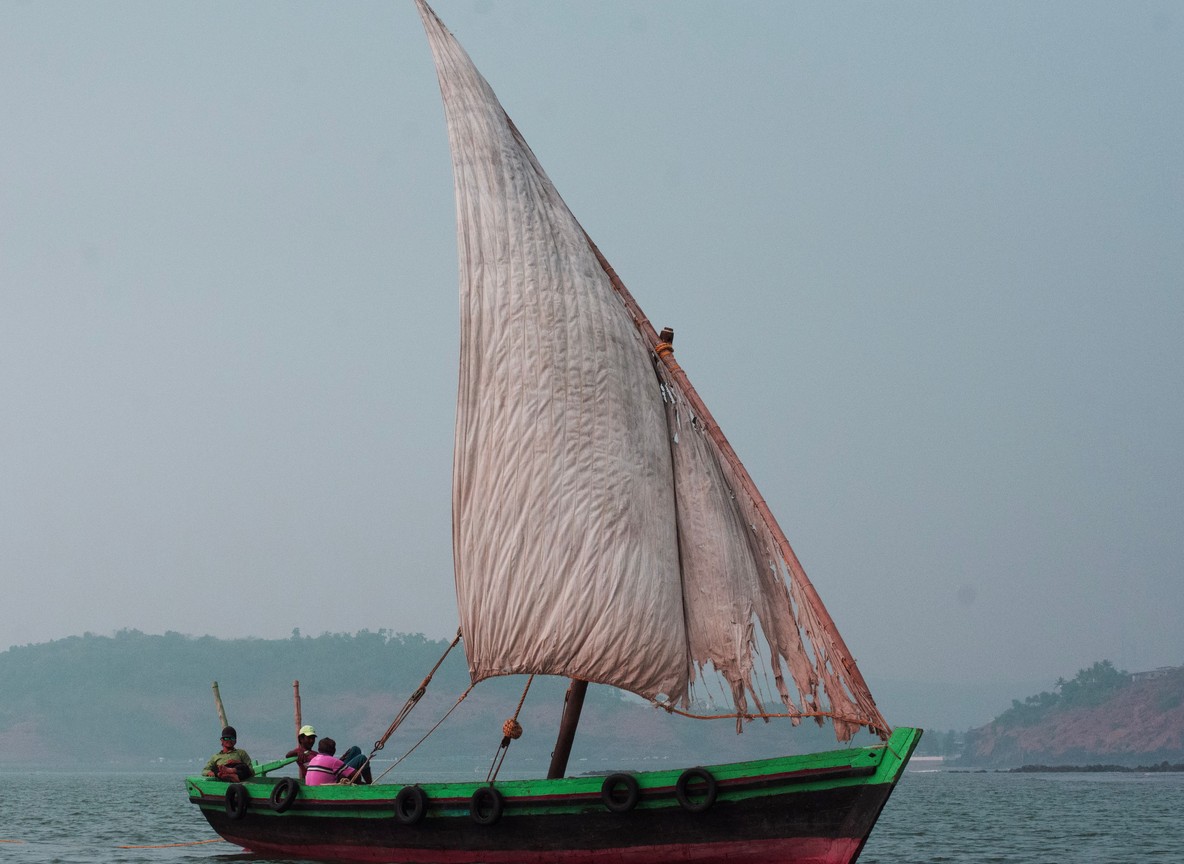
A lot of honeymoon research on Kenya stops at the Masai Mara. Fewer couples know that the coast has its own signature evening, and it does not involve a game drive at all. On Lamu Island, the standard end-of-day ritual is a sail on a traditional wooden dhow while the sun drops behind Manda Island. Touring Insights breaks down what this actually looks like: the boats, the route, real costs, and the small details that make or break the evening for two people who came for something memorable.
What a Lamu Dhow Actually Is
A dhow is a traditional wooden sailing vessel with a triangular lateen sail, built by hand using techniques passed down for generations on the Swahili coast. Most of the dhows used for tourist sunset sails are built or maintained in Matondoni, a boatbuilding village about 7 km from Lamu Town by water. Crews are local sailors, often multi-generational boat families, who know the channel between Lamu and Manda Island by feel rather than by chart.
These are not motorized speedboats. Expect a slower pace, the creak of rigging, and conversation instead of an engine hum. That is the appeal, but it also means the exact route and timing shift with wind and tide on any given evening.
How the Sunset Cruise Actually Runs
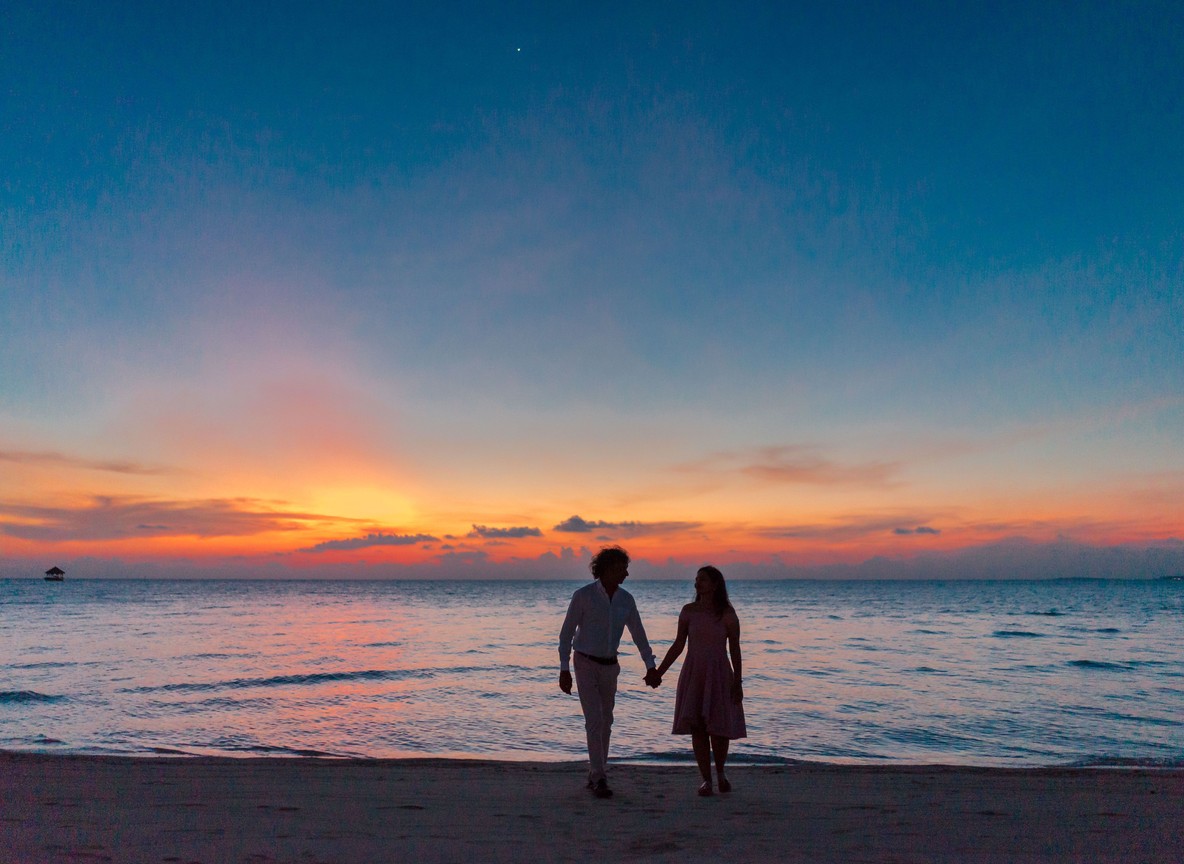
A typical shared sunset cruise leaves the Lamu Town waterfront or the Shela Beach jetty around 4:30-5:00 pm and returns roughly 2 to 2.5 hours later. The dhow sails out through the channel toward Manda Island, sometimes stopping near a sandbank for swimming before turning back as the sun sets around 6:30-6:45 pm year-round, since Lamu sits close to the equator with little seasonal shift in daylight.
Most operators serve fresh fruit, coffee, tea, or chilled juice on board. Some pair the sail with a seafood dinner cooked on a nearby sandbank or served back at a beachfront restaurant. Ask what is included before booking, since “sunset cruise” can mean anything from a bare sail to a full private dinner package.
Real Costs: Shared vs Private Charter
Couples on honeymoon almost always want the private option, but it helps to know both prices before you ask a hotel concierge to book blind.
| Cruise type | Typical duration | Indicative price (per couple) | What’s usually included |
|---|---|---|---|
| Shared sunset dhow (small group) | 2-2.5 hours | $50-90 total, confirm current rate locally | Sail, soft drinks, life jackets |
| Private dhow charter, standard | 2-3 hours | $150-250 total | Dedicated boat and crew, drinks, sailing route choice |
| Private dhow charter with seafood dinner | 3-4 hours | $250-450 total | Private boat, on-board or sandbank dinner, decor on request |
| Kiunga Marine National Reserve add-on (if itinerary extends there) | Half or full day | $15-25 per person KWS marine park fee | Reef access, snorkeling |
Never treat these as fixed. Prices move with fuel costs, season, and which hotel or boat operator arranges the booking. Ask for a written quote in USD or KES before the day of the cruise, and confirm whether the price is per couple or per person.
Getting to Lamu: The Real Logistics
Lamu Island has no cars beyond a handful of government vehicles. That single fact shapes the whole trip, including the cruise.
| Leg | Distance / duration | Notes |
|---|---|---|
| Nairobi (Wilson Airport or JKIA) to Manda Airport | approx. 340 km air distance, 1-1.5 hours by scheduled flight | Airlines: Safarilink, Jambojet operate daily routes |
| Manda Airport to Lamu Old Town jetty | approx. 3 km, 20-30 minutes by boat transfer | Included by most hotels; confirm before landing |
| Lamu Town to Shela village | approx. 3.5 km, 20-30 minutes on foot along the beach or by boat | Shela is the main hotel base for honeymooners |
| Shela Beach length | approx. 12 km | Long stretch of open sand facing the Indian Ocean |
There is no direct road route from Nairobi. Every visitor arrives by air, then by boat. Build a buffer day into the itinerary in case a flight shifts, since coastal schedules can move around weather more than inland routes do.
Where Honeymooners Actually Stay
Shela village, a 10-15 minute walk or short boat ride from Lamu Old Town, is where most couples base themselves. Named properties travelers ask about include Peponi Hotel, a Shela institution open since 1967 with a well-known sundowner bar, Kizingo on the ocean-facing side of the island, The Majlis, and smaller boutique guesthouses inside Lamu Old Town itself. Rates vary widely by season and room category, so treat any published number as a floor, not a promise, and confirm directly with the property.
Lamu Old Town: The UNESCO Backdrop
Lamu Old Town has been a UNESCO World Heritage Site since 2001, recognized as the oldest continuously inhabited Swahili settlement in East Africa, with roots stretching back roughly 700 years. Coral-stone buildings, carved wooden doors, and narrow alleyways give the town a texture that most Kenya itineraries never touch. Many dhow cruises depart directly from the town waterfront, so the walk to the boat is part of the experience, not just a logistics step.
What to Actually Wear and Bring
Lamu is a predominantly Muslim, conservative community, distinct from the beach-resort norms of Diani or Mombasa’s south coast. Swimwear is fine on the boat and at a private sandbank stop, but cover shoulders and knees when walking through Lamu Old Town itself. Bring:
- A light cover-up or sarong for the walk to and from the jetty
- Reef-safe sunscreen and a hat, since shade is limited on an open dhow
- A dry bag or ziplock for phones, since spray is common near the bow
- Motion sickness tablets if either of you gets seasick, taken well before boarding
Explorer Notes
Ask your captain to sail past Takwa Ruins on Manda Island if timing allows. It is a 15th-century abandoned Swahili settlement visible from the water, and most tourist cruises skip it unless a guest specifically requests the detour. Book your cruise for a night close to the full moon if you can shift dates. Several Shela-based operators run a moonlight return sail as an add-on once the sun is down, and it rarely appears on a standard price list unless you ask directly. Crews built and trained in Matondoni tend to know the shallow sandbanks best, so a hotel concierge who names the boat and crew in advance, rather than just “a dhow,” is usually booking through a more experienced operator.
Booking Timeline: When to Lock This In
| Step | Timing before travel |
|---|---|
| Confirm hotel and flights to Manda Airport | 2-3 months ahead for peak season (Dec-Mar, Jul-Oct) |
| Request dhow cruise quote from hotel or direct operator | 2-4 weeks ahead |
| Confirm cruise time and inclusions in writing | 3-5 days ahead |
| Reconfirm on arrival, weather-dependent | Morning of the cruise |
Frequently Asked Questions
How long does a Lamu sunset dhow cruise last? Most shared and private sunset cruises run 2 to 2.5 hours, from around 4:30-5:00 pm until just after sunset at roughly 6:30-6:45 pm.
Is a private dhow charter worth it for a honeymoon? Most couples find it worth the extra cost. A private charter, indicative $150-250 for a standard sail, removes other passengers and lets you choose the route and stop for a private swim or sandbank moment.
What is the best time of year for a Lamu dhow cruise? The dry seasons, December to March and July to October, bring the calmest water and least rain. April and May bring long rains and rougher crossings, so many operators reduce sailings then.
Do you need to book a dhow cruise in advance? Book through your hotel or a known operator at least a few days ahead in peak season. Walk-up bookings work in quieter months but are less reliable during December-March and July-October.
Is Lamu safe for a honeymoon trip? Lamu Island and the town itself see regular tourist traffic and are generally treated as safe for standard coastal travel. As with any coastal Kenya trip, check current government travel advisories for the wider county before finalizing plans, and travel with a known operator or hotel-arranged transfer.
What to Read Next
- Curious about the island’s biggest event? Read our Lamu Cultural Festival 2026 guide.
- Comparing honeymoon lodges before you add a coastal leg? See Best Kenya Safari Lodges for Honeymoons.
- Building the rest of your honeymoon itinerary? Start with our Kenya honeymoon safari planning guide.
A dhow sail at sunset works best as one evening inside a longer Kenya honeymoon, not the whole trip. Visit our Tour Packages page to see how a Lamu coastal add-on pairs with a Mara or Amboseli safari, or ask a partner operator to build the transfer and dhow booking into your itinerary directly.